About us
A Commitment to Wholeness: Service That Transforms Lives from the Ground Up.
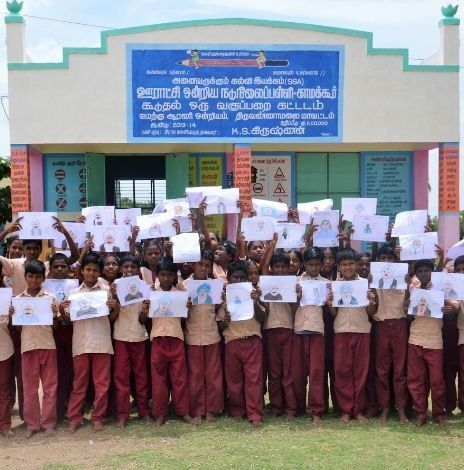
The ALIVE SERVICE SOCIETY operates as a dedicated organization focused exclusively on public welfare and the holistic development of communities in India, driven by an unshakeable commitment to human rights and dignity. From our base in Vijayawada, Andhra Pradesh, we coordinate a wide range of programs designed to uplift and invigorate the lives of the marginalized and underserved, recognizing that genuine empowerment requires more than temporary fixes. Our team comprises dedicated professionals, educators, health workers, and community organizers who believe firmly in collaboration and local leadership. This section of our work involves meticulous planning, transparent resource management, and continuous dialogue with community leaders to ensure our interventions are culturally sensitive, relevant, and impactful. We measure our success not just by the number of services delivered, but by the tangible increase in self-reliance, educational attainment, and overall health metrics within the villages and settlements we support, creating a legacy of sustained positive change for the nation’s future.


Educational Philosophy
Learning as Liberation: Cultivating Critical Thinking and Life Skills for Empowerment.
Our educational philosophy is fundamentally child-centered and empowerment-focused, moving beyond rote learning to foster critical thinking, creativity, and essential life skills necessary for navigating a complex modern world. We believe that quality education is the most potent catalyst for breaking cycles of poverty and ensuring every child realizes their full potential. Our curricula are designed to be relevant to the local context while adhering to national standards, integrating practical knowledge about health, sanitation, financial literacy, and sustainable environmental practices directly into the lessons. For the adults in the communities, our philosophy extends through vocational training and literacy programs, ensuring that education is a lifelong journey that leads directly to sustainable livelihood opportunities and economic independence. We strive to create learning environments that are safe, joyful, and inclusive, transforming classrooms into vibrant hubs of intellectual curiosity and community growth where every student feels valued and motivated to succeed.
Our Story
Born from a Vision: Recognizing the Interconnectedness of Service and Development.
The ALIVE SERVICE SOCIETY was formally established years ago, originating from the profound realization by a group of passionate local citizens and development professionals that fragmented charitable efforts often failed to produce lasting transformation. The founders, observing the persistent challenges faced by marginalized communities in areas surrounding Vijayawada and across Andhra Pradesh, recognized a critical need for an organization that could link immediate relief with long-term systemic change. They envisioned a society that didn’t just provide resources but instilled self-reliance, built on the foundational principle that dignity is restored when individuals have the tools to help themselves. The initial focus was small, centered on a critical sanitation project and a small informal tutoring center, but the commitment to holistic development—addressing mind, body, and livelihood—was present from the very first day, setting the stage for the broad, integrated programs we run today and defining our history as one dedicated to service that is both profound and pervasive.

What We Do
The Full Circle of Care: Comprehensive Programs for Sustainable Human Development.
The ALIVE SERVICE SOCIETY executes a comprehensive suite of interconnected programs meticulously designed to address the full spectrum of community needs from childhood through adulthood, ensuring a full circle of care for every family. Our primary focus areas—Education, Health, Livelihoods, and Water Security—are never treated in isolation, but rather function as components of a single, powerful engine for development. Our educational programs include early childhood development centers, formal schooling support, and remedial classes to prevent dropout, while our health initiatives encompass mobile clinics, maternal and child wellness education, and sanitation advocacy. The livelihoods sector involves skills training in trades like tailoring, computer literacy, and organic farming, directly connecting beneficiaries with economic opportunities. Overseeing all this is our commitment to clean water access through borewell installations and filtration systems, recognizing that clean water underpins health, attendance, and productivity. This holistic program architecture ensures that our support is not only immediate but also fosters the enduring conditions necessary for a community to thrive independently.
Learning Approach
Practical, Relevant, and Engaging: Empowering Minds for Real-World Success.
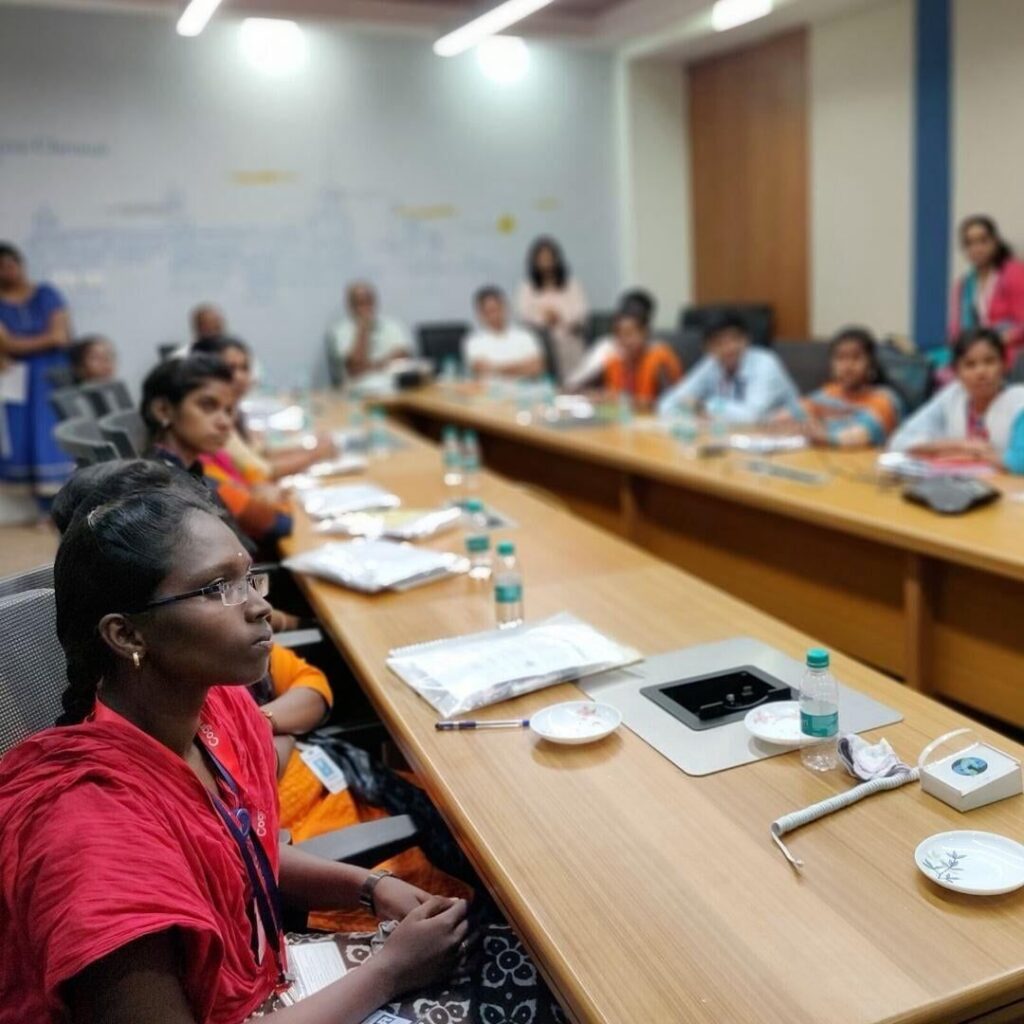
Our learning approach is inherently practical, experiential, and relevant to the socio-economic realities of the communities we serve, ensuring that knowledge translates directly into tangible improvement in quality of life. We utilize a blend of participatory methods, including group discussions, role-playing, hands-on experiments, and community projects, which move far beyond theoretical instruction. For children, this means leveraging local folklore and environment in lessons, making education relatable and exciting. For adults, vocational training is demand-driven, teaching skills—such as sustainable micro-farming techniques or digital tools—that can immediately lead to income generation and improved family welfare. We place immense emphasis on socio-emotional learning, equipping individuals with resilience, problem-solving abilities, and collaborative skills, recognizing these as crucial tools for leadership and community building. This dynamic, holistic learning approach is the backbone of our effort to foster self-reliance and empowerment, transforming learners into active participants in their nation’s progress.